So you have decided to go on your first Kenya safari — and you have no idea where to begin. You have googled yourself into a blur of park names, lodge tiers, migration windows, and packing lists. We have been there. At My Dream Vacations & Safaris, we have planned hundreds of first-time Kenya safaris from Nairobi, and there is one thing every first-timer tells us after they return: “I wish someone had told me this before I left.” This guide is exactly that — everything you need to know, in plain language, before you book.
First Time Kenya Safari Guide: Why Kenya is the Best First Safari Destination in Africa?
Kenya is not just a great safari destination — it is arguably the best first safari destination in Africa. Here is why:
- Nairobi is Africa’s safari capital. Most international flights land here, and major game reserves are just 4–6 hours away by road or 45 minutes by light aircraft.
- English is spoken everywhere. From your safari guide to the lodge receptionist, communication is seamless — rare on a continent of hundreds of languages.
- Infrastructure is strong. Paved roads, reliable lodges, and a well-developed tourism ecosystem mean things go smoothly.
- Year-round wildlife. Unlike some destinations, Kenya’s main parks deliver outstanding game viewing every month of the year.
- Beach combo is easy. After the bush, a short flight connects you to Diani or Mombasa — the perfect recharge.
Which Park Should a First-Timer Visit?
The most common question we get. Here is an honest comparison of Kenya’s three most popular parks for first-time visitors:
Masai Mara National Reserve
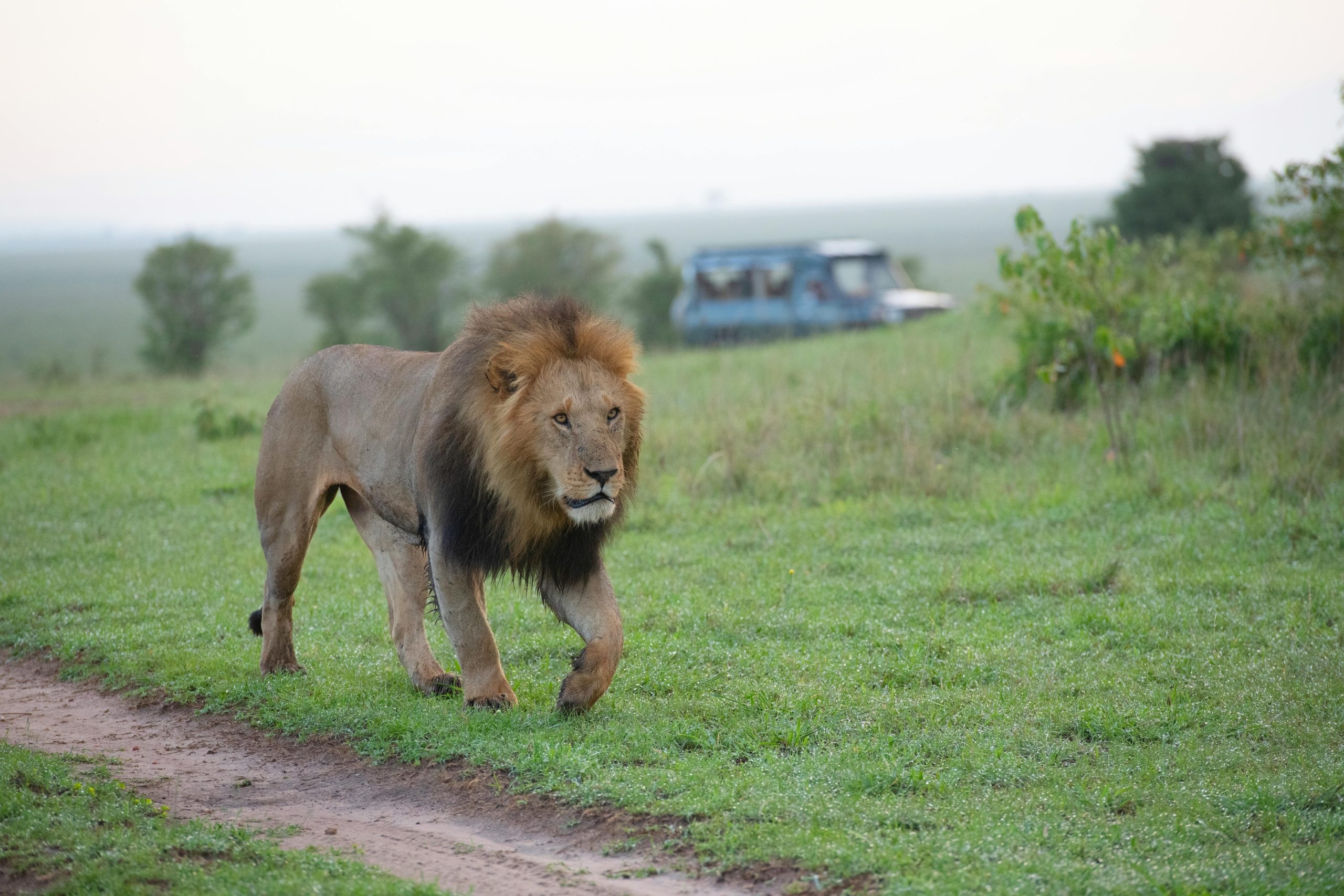
The Masai Mara is Kenya’s crown jewel — open savannah as far as the eye can see, lion prides lazing in morning light, and the famous Great Wildebeest Migration between July and October. If you only visit one park in Kenya, make it this one. A 3-day Masai Mara safari from Nairobi gives you enough time to see the Big Five and absorb the magic. Budget from USD 650 per person.
Amboseli National Park
Amboseli offers Africa’s most iconic image: vast elephant herds set against the snow-capped silhouette of Mount Kilimanjaro. It is more compact than the Mara, easier to navigate, and brilliant for elephant and bird photography. Ideal if you want a quieter, more intimate first experience. 2–3 days is sufficient.
Samburu National Reserve
For a first-timer who wants something off the beaten track, Samburu in Kenya’s dramatic north delivers extraordinary wildlife found nowhere else in the country — the Samburu Special Five: Grevy’s zebra, reticulated giraffe, Beisa oryx, gerenuk, and Somali ostrich. Pair it with the Mara for a 5–7 day trip that covers both the iconic and the rare.
Tented Camp, Lodge, or Budget Camping? What’s Actually the Difference?
Your accommodation shapes the entire safari experience. Here is what each level actually feels like — not just the marketing version:
- Budget camping safaris (from USD 150/night): Shared ablution facilities, basic tents, simple meals. Excellent value, great for young travellers and backpackers. The wildlife does not care about your tent size.
- Mid-range tented camps (from USD 250/night): En-suite permanent tents on raised platforms, hot water, good food, full game drive program. The sweet spot for most first-timers — genuine bush atmosphere with comfort.
- Luxury lodges and camps (from USD 500/night+): Private plunge pools, gourmet bush dinners, personalised guiding, helicopter options. Exceptional for honeymoons, special occasions, and travellers who want a seamless, high-end first safari.
What Does a Typical Kenya Safari Day Look Like?
First-timers are often surprised by how structured — and how wonderful — a safari day is:
- 5:30am wake-up: Hot coffee or tea delivered to your tent. The air is cool, the park is coming alive.
- 6:00am morning game drive: 3–4 hours in an open 4×4. Lions are most active at dawn. Your guide tracks fresh prints and monitors radio calls from other guides about sightings.
- 10:00am breakfast: Back at camp for a full cooked breakfast — often the best meal of the day.
- 12pm–3pm midday rest: Animals shelter from the heat. You read, nap, swim (at some camps), or enjoy a guided bush walk.
- 4:00pm afternoon drive: 4×4 rolls out again as animals become active. Cheetah hunts often happen in late afternoon. Sundowners in the bush with the sun melting orange into the horizon.
- 7:30pm dinner: Often a candlelit bush dinner under the stars, with the sounds of the African night around you.
Kenya Safari Packing List for First-Timers
Pack light — most light aircraft have a 15kg soft bag limit. Here is what actually matters:
- Clothing: Neutral colours (khaki, olive, grey, tan). Avoid white and bright colours. Layers for cool mornings. A light rain jacket.
- Footwear: Comfortable walking shoes or light boots. Sandals for camp.
- Camera gear: A DSLR or mirrorless camera with a 100–400mm zoom lens is ideal. Your phone works brilliantly for landscapes and camp shots.
- Documents: Passport (valid 6+ months), Kenya e-Visa (apply at evisa.go.ke — costs USD 50), yellow fever certificate if required.
- Health: Malaria prophylaxis (consult your doctor), sunscreen SPF 50+, insect repellent with DEET, any personal medication.
- Cash: USD and KES for tips. Tipping your guide USD 10–15/day is customary and genuinely appreciated.
5 Things Nobody Tells You Before Your First Kenya Safari
- Park gates open at 6am sharp. Not 6:10. Plan accordingly — the best sightings happen in the first hour.
- Mobile signal is patchy in the Mara. Download offline maps, load up your Kindle or podcast queue. It is a genuine digital detox.
- Animals do not perform on schedule. A Kenya safari for beginners requires patience. The guide who has been working the Mara for 10 years will find what you came to see — trust the process.
- The dust is real. Roads inside the Mara are dirt tracks. A buff or bandana around your neck is more useful than half the items on commercial packing lists.
- You will ugly-cry. Sunset over the savannah, your first lion, elephants nursing their young — something will catch you completely off guard. This is normal.
To wrap up, if you are planning to visit Kenya, get in touch with My Dream Vacations and Safaris to get guidance to ensure you get the best experience.
Is Kenya safe for first-time safari visitors?
Yes — Kenya’s main national parks and safari regions are well-established tourist destinations with professional operators and strong infrastructure. The UK Foreign Office and US State Department both list the main tourist areas as generally safe. Book with a registered Kenyan tour operator like My Dream Vacations for full on-ground support.
Do I need a visa to visit Kenya?
Most nationalities require a Kenya e-Visa, which can be applied for online at evisa.go.ke. The cost is USD 50 for a single-entry tourist visa. Processing typically takes 2–3 business days. My Dream Vacations provides full visa guidance.
What is the minimum number of days for a first Kenya safari?
We recommend a minimum of 3 days in the Masai Mara for a meaningful first experience. A 5–7 day itinerary combining two parks — for example, Masai Mara and Amboseli — gives you a much richer and more varied safari.